
Children’s Hearing Tests and Newborn Hearing Screening in Cape Town
Quick, painless hearing checks for babies and young children at our Rondebosch East practice. No GP referral needed.
Or call 021 696 8571 · WhatsApp 079 547 0856
Which appointment does my child need?
The tests we use depend on your child’s age. Each one is quick, comfortable and needs nothing from your child except to sit (or sleep) still for a few moments.
Newborn hearing screening
Babies under 6 months · R350
A quick check of how your baby’s inner ears respond to sound, usually done while your baby sleeps.
Children’s hearing screening
6 months to 6 years · R485
A case history, ear examination, middle ear test (tympanometry) and inner ear screening (OAE).
Hearing test from 7 years
7 years and older · from R910
A full hearing test, where your child listens through earphones and responds to sounds. See hearing tests.
We are contracted to most medical aids that are part of the Board of Healthcare Funders (BHF), including Discovery, Bonitas and HearConnect. Cover depends on your plan, and medical aid rates may differ from the private fees above.
Newborn hearing screening
The HPCSA’s guidelines on early hearing detection recommend checking every baby’s hearing early, ideally within the first month of life. Not every hospital screens babies before they go home, so it’s worth checking your baby’s Road to Health booklet.
Book a screening if your baby wasn’t screened at birth, was asked to come back for another test, or you have any concerns about how your baby responds to sound.
How it works
If needed, we first look into your baby’s ears with a small light. We then place a small, soft tip at the opening of your baby’s ear. It plays quiet sounds and measures the faint echo that a healthy inner ear sends back. It doesn’t hurt and your baby doesn’t need to do anything. It’s easiest while your baby is asleep or settled.
Your baby’s result
We explain the result before you leave. A pass means the inner ears responded as expected. A refer result doesn’t mean your baby has a hearing loss: fluid or debris in the ear after birth, or a restless baby, can affect the test. If needed, we repeat the screening (this is included in the fee), and refer your baby for further diagnostic testing if the result is still unclear.
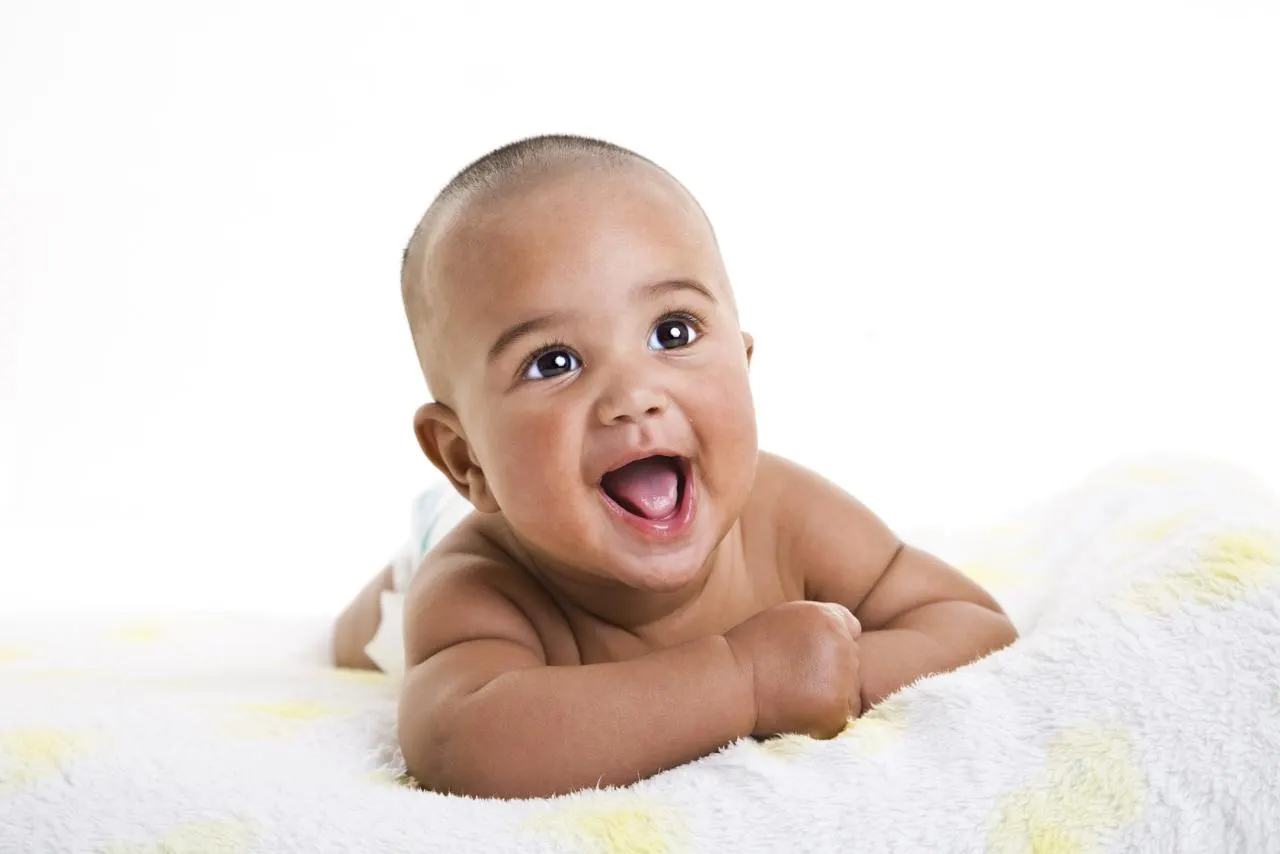
Children’s hearing screening, 6 months to 6 years
Young children can’t always tell us what they hear, so we use tests that don’t need them to respond.
1. Case history
We ask about your child’s health, ear infections, speech and language development, and anything you, a teacher or a caregiver has noticed.
2. Ear examination
We look into your child’s ears with a small light to check the ear canal and eardrum.
3. Middle ear test
A soft tip in the ear gently changes the air pressure for a few seconds to show how well the eardrum moves. This can pick up fluid behind the eardrum (glue ear), which is common in young children and can affect hearing.
4. Inner ear screening
We measure how the inner ear responds to quiet sounds (otoacoustic emissions, or OAE). Your child only needs to sit still for a moment and doesn’t have to respond.
We explain the results and what they mean for your child. If something needs a closer look, we recommend the next step: a repeat test once an ear infection has cleared, a referral to your GP, paediatrician or an ENT, or further hearing tests.
When to check your child’s hearing
Babies
- Doesn’t startle at sudden loud sounds
- Doesn’t turn towards your voice or other sounds by about 6 months
- Babbles less than before, or has stopped babbling
Toddlers and young children
- Speech that seems unclear or behind other children their age
- Often says “what?” or doesn’t respond when called
- Turns the TV or tablet up loud
- Frequent ear infections, or ears that seem blocked
- A teacher has raised concerns about listening or attention
It’s also worth a check if there is childhood hearing loss in the family, your baby spent time in neonatal intensive care, or you’re simply unsure.
Preparing for the appointment
- Babies: try to time a feed or nap so your baby is sleepy when you arrive.
- Toddlers: bring a favourite toy or snack, and tell them we’ll look in their ears with a little light.
- Bring your child’s Road to Health booklet and any previous hearing results or referral letters.
- A parent or legal guardian needs to come with your child.
- Please arrive 10 minutes early to complete your file and POPI consent form.
Questions parents ask
Do the tests hurt?
No. The tests are quick and comfortable. Some young children don’t like having something near their ears, so we go at your child’s pace.
Do I need a referral?
No. You can book directly, without a referral from a GP or paediatrician.
Will my medical aid pay?
We are contracted to most medical aids that are part of the BHF, including Discovery, Bonitas and HearConnect. What your medical aid pays depends on your plan. Ask us when you book and we’ll help.
My baby passed the hospital screening. Should I still book?
If your baby passed and you have no concerns, you don’t need another screening now. Book a check if you notice any of the signs above, or if there is childhood hearing loss in the family, because some hearing loss develops later.
What happens if my child needs more tests?
We explain why, and refer your child to the right professional, such as an ENT or a centre that does further diagnostic hearing tests for babies and young children.
Book your child’s hearing check
Call 021 696 8571, WhatsApp 079 547 0856, or send us a message and we’ll get back to you.
Willowmead Medical Centre, 88 Kromboom Road, Rondebosch East, Cape Town
Monday to Friday 9am–5pm · Saturday by appointment only